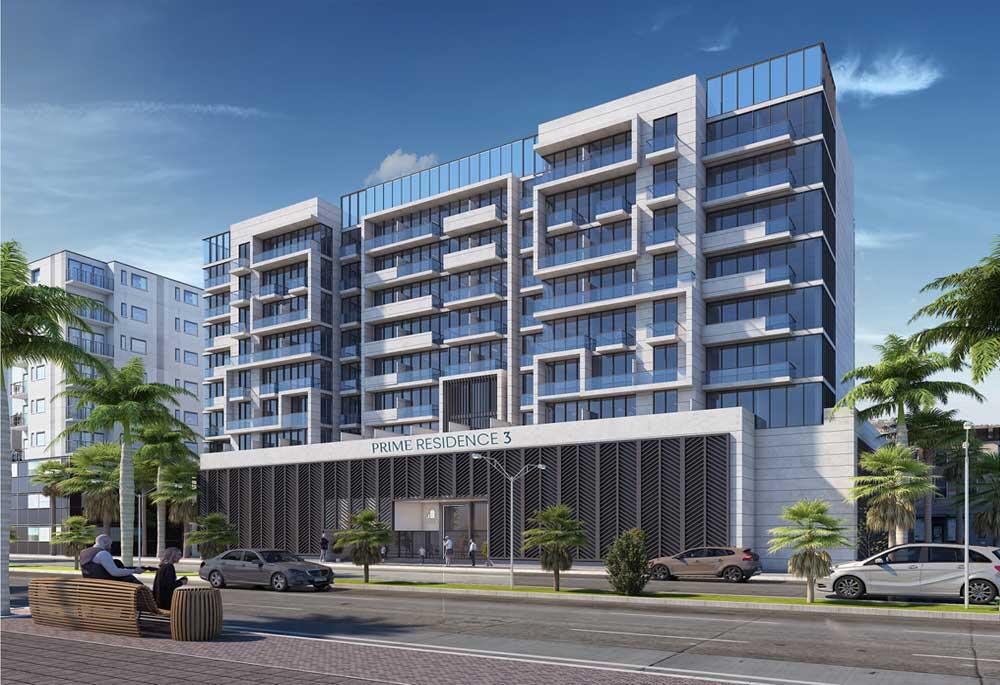
Why Apartment Investment Requires A Different Mindset Than House Flipping
House flipping focuses on quick profits through renovation and resale. Apartment investment prioritizes steady cash flow over many years. One strategy seeks immediate gains; the other builds lasting wealth. The skills for each path differ greatly. Patience and long-term thinking define successful apartment owners. Prime Residency 3 stands as a project that perfectly illustrates this patient investment philosophy.
Patience over speed:
House flipping operates on a compressed timeline. Buy, renovate, sell, and repeat. Every extra day holding a property eats into potential profits. Apartment investment works opposite. Time becomes an ally, not an enemy. Each month brings rental income. Each year property values tend to rise. Lease renewals reduce vacancy costs. This strategy rewards long-term thinking, not quick turnarounds. Rushing an apartment purchase or sale frequently destroys value rather than creating it.
Cash flow vs. lump sums:
Flippers await a single large payout at closing. That check covers all expenses and delivers profit. Apartment investors collect smaller amounts regularly. Rent checks arrive monthly. This steady income covers mortgages, taxes, and maintenance. It builds equity gradually. The mindset shifts from chasing one big score to stacking many small wins. Consistent cash flow offers security that a single sale cannot match.
Tenant relationships matter:
Flippers deal with contractors, inspectors, and buyers. Their interaction with occupants ends at closing. Apartment investors engage with tenants daily. Maintenance requests, lease agreements, and renewal discussions fill their calendars. Happy tenants pay on time and stay longer. Empty units cost money. Building positive relationships directly impacts profitability. This human element rarely enters the flipper’s equation.
Operating costs differ:
A flipper estimates renovation budgets and selling expenses. Those costs end when the property sells. Apartment owners face ongoing expenditures. Property taxes, insurance, utilities, and repairs never stop. Unexpected roof replacements or plumbing failures appear without warning. Budgeting for these recurring costs separates successful landlords from struggling ones. Flippers only worry about getting to closing day.
Financing structures vary:
House flippers typically use short-term loans with higher interest rates. These bridge loans allow quick purchases and renovations. Apartment investors prefer long-term fixed mortgages. Lower rates and predictable payments support stable cash flow. Refinancing opportunities arise as equity builds. Understanding these financing differences prevents costly borrowing mistakes. Each strategy requires distinct capital planning approaches.